Moving to Reno, without the sales pitch.
What relocating to the Truckee Meadows is actually like — the climate, the lay of the land, the neighborhoods, and how buying works when you aren't here yet.
The case for Northern Nevada.
Relocation conversations tend to start the same way — often with someone moving to Reno from California, sometimes from farther afield. The reasons cluster: Nevada has no state personal income tax, homes here come with sky and elbow room, Lake Tahoe is within an hour, and Reno-Tahoe International sits minutes from town rather than hours.
Here is the part a brochure won't tell you: Reno is not a discount Bay Area, and it is not a ski village. It's a mid-sized high-desert city with its own rhythm — a river running through downtown, a university on the hill, casinos that matter less to daily life every year, and mountains in view from nearly every street. People who arrive expecting somewhere else tend to leave; people who arrive curious tend to stay.
The housing itself runs wider than most newcomers expect. Browse homes for sale in Reno and you'll find a 1930s Tudor near the river, a new build in a master-planned valley neighborhood, and a custom home in the pines off the Mount Rose Highway — often within a twenty-minute drive of one another.
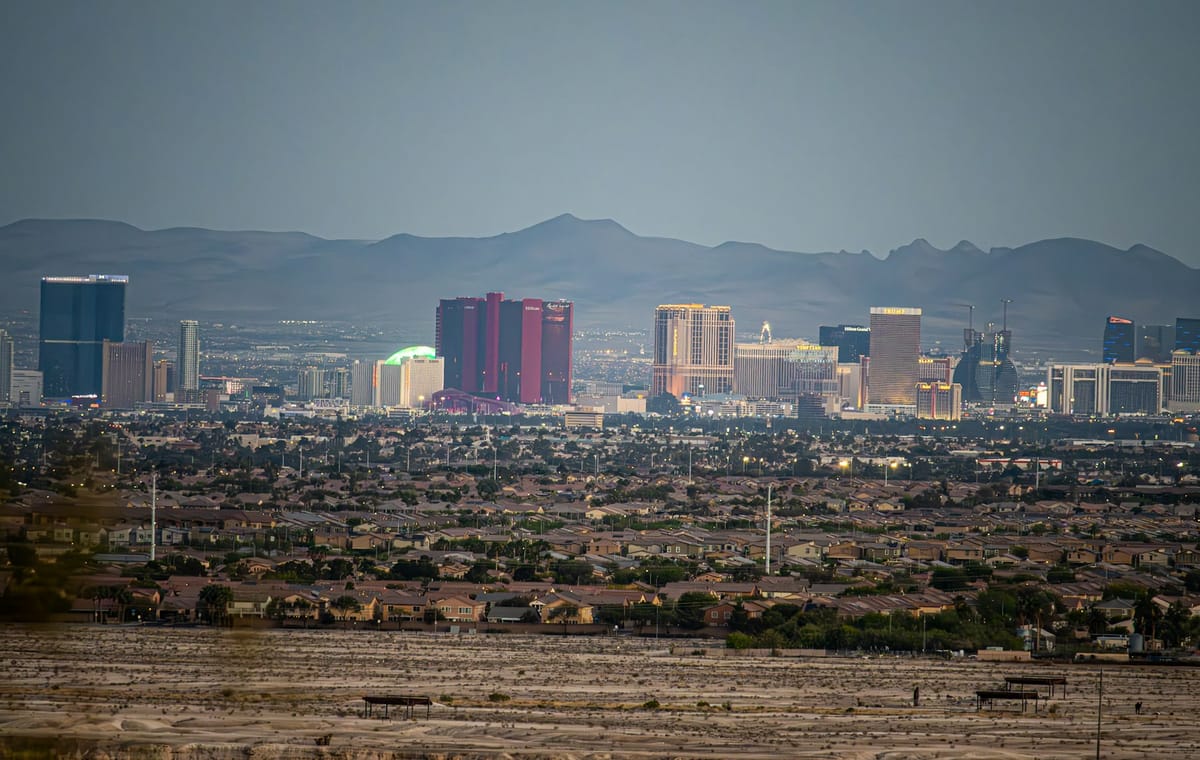
High desert means exactly that.
The valley sits around 4,500 feet, and the elevation shapes everything — the light, the seasons, the dryness, even how a summer evening feels.
You get four real seasons here. Winter brings cold, clear nights and periodic Sierra storms — some years the snow stays on the valley floor, most years it dusts and melts while the mountains hold it. Spring is windy and changeable. Summer days are warm and dry, and because of the elevation they cool off sharply after sunset; dinner outside usually means bringing a layer. Fall is long, golden and arguably the best of the four.
Two caveats. First, the dryness is real — coastal transplants notice it in their skin, their sinuses and their gardens, and landscaping here leans native and drought-aware rather than lawn-green. Second, in some late summers wildfire smoke from regional fires settles into the valley for stretches. Locals watch air-quality forecasts the way coastal towns watch fog. Neither is a reason not to come; both are things I'd rather you hear from me than discover in August.
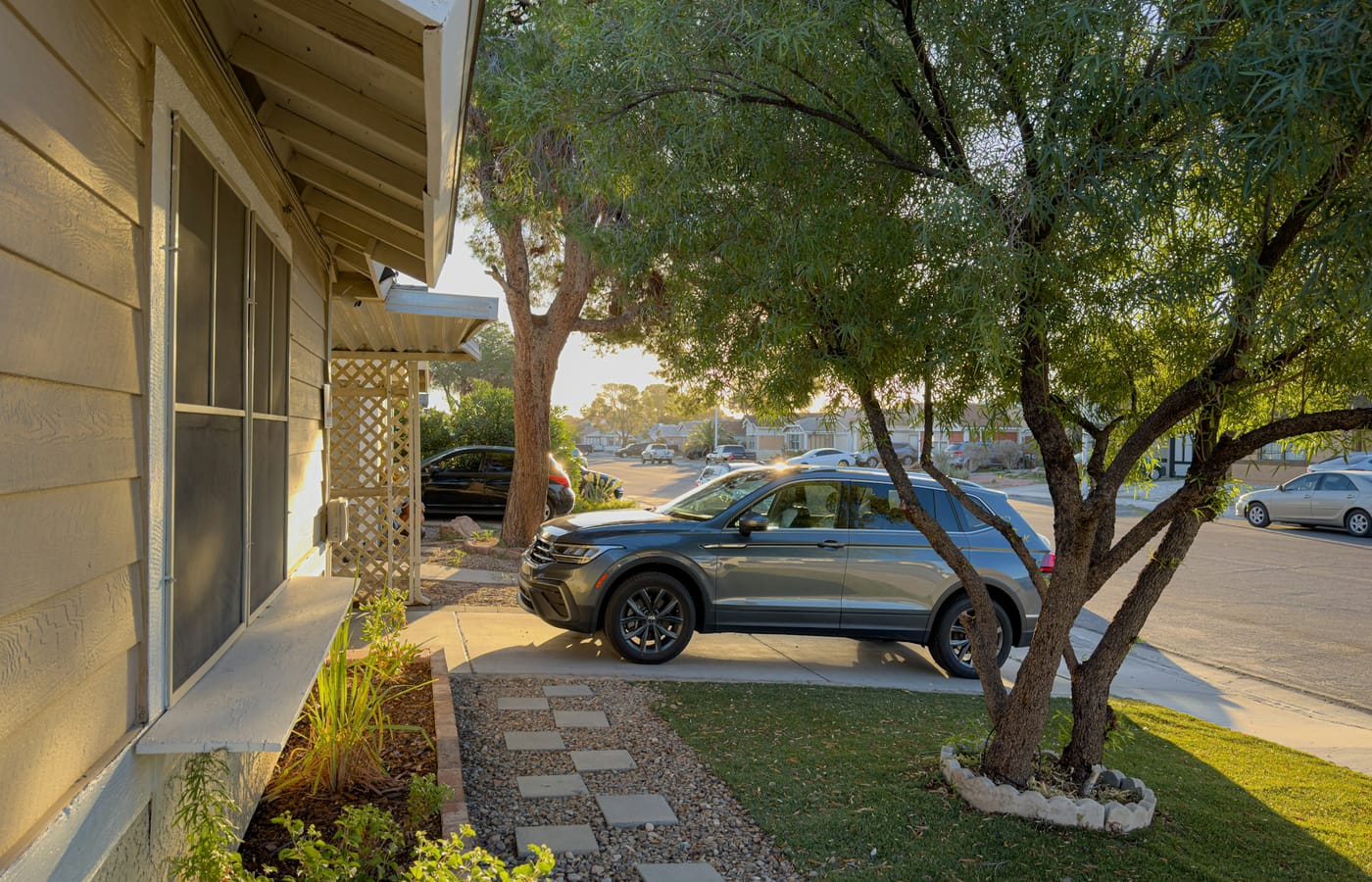
Reno, Sparks, South Reno and the road to Tahoe.
Newcomers hear the names used interchangeably. They aren't. A five-minute primer saves weeks of confusion.
Reno proper holds the older, more textured fabric — the Riverwalk downtown, the Midtown corridor of independent restaurants and shops along South Virginia Street, the tree-lined Old Southwest, and the university district. Sparks is a separate, adjoining city just east, with its own downtown at Victorian Square and newer growth spreading north into Spanish Springs. South Reno is where most of the new master-planned construction lives — Damonte Ranch, South Meadows — flatter, newer, close to the airport and the big commercial corridors.
Then there's the Tahoe-adjacent edge: follow the Mount Rose Highway southwest and the sagebrush gives way to pines through Galena, Montrêux and Saint James Village, until the road crests toward the ski areas and drops to Lake Tahoe's Nevada shore — a different market, and a different life.
I've written neighborhood guides that go deeper: Midtown Reno for the walkable, historic core, Somersett for golf-course living in the northwest hills, and South Reno for the newer master-planned valley. The full neighborhoods overview and my Northern Nevada region guide tie it all together.
How the process feels when you're not here yet.
Remote touring is normal now
I walk homes on video for out-of-state buyers, narrate the street and the light, and help you narrow the list — so the trip you eventually make is for finalists, not first looks.
Escrow works differently
Nevada closings typically run through escrow and title companies rather than closing attorneys, and the contracts, disclosures and timelines won't match what you knew at home. As your agent, I'll walk you through every step alongside the escrow officer.
Visit in more than one season
A neighborhood in golden October and the same street in windy March are different experiences. If you can manage two scouting trips before committing, take them — the valley rewards the second look.
Where I fit in
I'm the agent in your transaction — a licensed Nevada real estate agent with Epique Realty. I listen, share the local texture, then handle the search, the showings and the offer personally. Before I was licensed, this page said so plainly — that transparency isn't going anywhere.
The relocation FAQ, answered plainly.
Is Reno a good place to move to?
It depends on what you're moving for. If the draw is four real seasons, dry mountain air, open space, skiing and hiking close at hand, and Nevada's tax structure, Reno makes a strong case. If what you need is coastal weather or big-city density, it will feel like a compromise. The best test is a visit — the valley tends to make its own argument.
Does Nevada have a state income tax?
No. Nevada has no state personal income tax, which is one of the most common reasons people relocate here from neighboring states. How that plays out in your own finances depends entirely on your situation, so it's a question for your tax professional — I don't give financial advice.
What is the weather like in Reno?
Reno is high desert at roughly 4,500 feet: four distinct seasons, low humidity and a great deal of sunshine. Winters bring cold nights and periodic Sierra snow; summers are warm and dry, with evenings that cool off sharply. In some late summers, wildfire smoke from regional fires settles into the valley for stretches — locals watch air-quality forecasts the way coastal towns watch fog.
How far is Reno from Lake Tahoe?
Close. Incline Village, on Tahoe's Nevada shore, is roughly a 35–45 minute drive from much of Reno via the Mount Rose Highway in good conditions, and the ski areas along the way are closer still. Many people who live in Reno treat the lake as a day trip rather than a destination.
Do I need a local agent to buy in Reno from out of state?
You'll want one. Contracts, disclosures and escrow norms in Nevada differ from other states, and a licensed local agent handles all of that — including touring homes on your behalf before you ever fly out. That's exactly what I do: I'm a licensed Nevada real estate agent with Epique Realty, so tell me what you're looking for and I'll handle it personally, from remote tours to the offer.
Tell me what's pulling you toward Reno.
Share what's drawing you here and the best way to reach you. I'm a licensed Nevada real estate agent with Epique Realty — I'll listen, learn the brief, and represent you personally when you're ready. No pressure, no obligation.